Pinocchio–Talking Cricket relationship
The Adventures of PinocchioThe Pinocchio–Talking Cricket relationship turns advice into a recurring test that Pinocchio fails before he can understand its value. The Talking Cricket urges him toward obedience, learning, and honest work, but Pinocchio answers counsel with contempt and violence. Even after the Talking Cricket returns as a ghost, Pinocchio refuses to turn back. The relationship therefore persists beyond the first encounter: its warnings precede dangers Pinocchio meets, and its judgment later gives voice to the hurt his conduct causes.
Identity and First Encounter
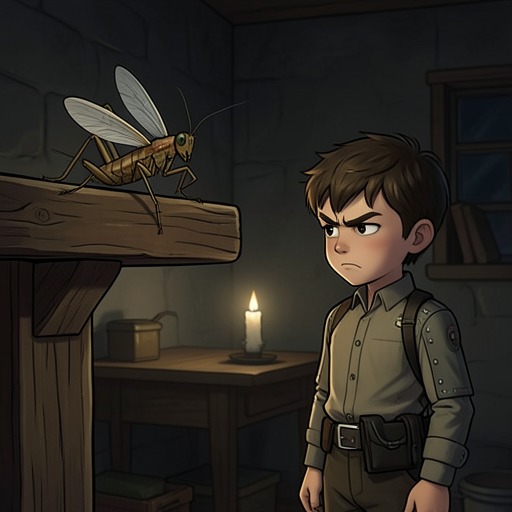
The Talking Cricket has lived for more than a hundred years in the room Pinocchio claims as his own. When Pinocchio orders him to leave, the Talking Cricket refuses until he has delivered what he calls a great truth. The imbalance between them is clear from the start: the Talking Cricket speaks as a seasoned inhabitant offering guidance, while Pinocchio treats the room, and its occupant, as subject to his wishes.
The first warning addresses the consequences of running away and refusing parental authority. The Talking Cricket predicts that disobedient children will not be happy and will regret their choices when older. Pinocchio does not consider the warning on its merits. He imagines a future spent chasing butterflies, climbing trees, and raiding birds’ nests rather than going to school. The Talking Cricket answers that such habits could leave him an object of ridicule, then proposes learning a trade as another path to an honest living. Their disagreement thus concerns more than obedience in a single moment: it sets Pinocchio’s appetite for immediate freedom against the possibility of study, work, and a secure future.
Rejection and Violence
Pinocchio’s response moves from dismissal to insult. He calls the Talking Cricket ugly and orders him to be quiet. The Talking Cricket nevertheless continues speaking in the same tone, rather than retaliating or withdrawing from the effort to advise him. When the discussion reaches Pinocchio’s wooden nature and head, Pinocchio jumps up in fury, takes a hammer from the bench, and throws it with all his strength. The blow strikes the Talking Cricket on the head; after a final weak chirp, he falls from the wall dead.
The episode makes the relationship’s central conflict brutally concrete. Advice that Pinocchio regards as interference ends in the destruction of the adviser, but the act does not free him from the consequences the Talking Cricket has described. The Talking Cricket’s refusal to leave and continued attempt to counsel him establish a persistent moral presence; Pinocchio’s hammer answers that presence with force. The scene also links a verbal conflict about his conduct to an irreversible physical act, rather than presenting his defiance as harmless mischief.
The Ghost’s Renewed Warnings
The Talking Cricket returns as a small, pale light on a tree trunk, introducing himself as the ghost of the Talking Cricket. His advice now concerns Pinocchio’s immediate circumstances: he urges Pinocchio to go home and give his remaining four gold pieces to his poor old father, who is weeping because he has not seen him for many days. Pinocchio replies that the coins will soon become two thousand. The Talking Cricket warns him not to trust anyone promising overnight wealth, since such people are generally fools or swindlers, and again tells him to go home.
The warning makes the earlier conflict recur in a changed form. At first, Pinocchio rejects guidance about school, work, and running away; now he rejects a specific appeal to protect his father and his money. He insists on continuing, calls the advice nonsense, and says goodbye. The Talking Cricket’s light disappears suddenly, leaving the road dark. The warning about the Assassins that follows is especially pointed: the Talking Cricket has wished that Heaven preserve Pinocchio from them, and Pinocchio soon falls into their hands. The episode does not make Pinocchio heed the warning, but it places the danger directly after his decision to dismiss it.
Judgment and the Meaning of the Advice
The Talking Cricket later appears among those asked to assess Pinocchio. When The Fairy with Azure Hair asks for his opinion, he says that Pinocchio is not a stranger to him and that he has known him for a long time. He identifies Pinocchio as a disobedient son who is breaking his father’s heart. Pinocchio has hidden beneath the sheets, but this judgment is followed by his sobbing and tears. The earlier adviser now speaks not only about what Pinocchio might become, but about the harm his behavior has already caused.
The relationship therefore changes in emphasis without becoming a reconciliation scene: the Talking Cricket’s counsel first warns against future regret, then presses on the evidence of present grief. Pinocchio’s later lament after his schoolmate Eugene is struck reflects a related recognition. He cries over the injured boy, regrets not having gone to school, and blames himself for listening to bad companions and persisting in doing as he wished. He does not address the Talking Cricket in that scene, so it is not a direct answer to him; it nevertheless shows Pinocchio beginning to recognize the pattern the Talking Cricket had warned about, in which rejected advice is followed by consequences and remorse.
The counsel to return home also anticipates, without itself causing, a later reunion. After escaping the Shark with the Tunny’s help, Pinocchio follows a faint light and finds an old man eating at a table; he recognizes Geppetto and embraces him. The earlier ghost had urged Pinocchio to return to his weeping father, but Pinocchio’s eventual arrival follows a much longer course of danger and separation. Across these episodes, the Talking Cricket’s importance lies in the persistence of advice that Pinocchio initially tries to silence: its truth becomes legible through the losses, fear, and remorse that follow his refusals.